For decades, advertising has been a relatively consistent process. Companies would plan their campaigns for weeks, launch the campaign with an impressive bang; dominate the screens, whether it was TV, print, or digital mediums, for a short while, and then vanish until their next marketing cycle began. However, despite being effective, this approach to advertising relied on interruption and capturing attention in a brief moment.
This type of advertising is quickly becoming a thing of the past.
In today’s world of constant connectivity through digital mediums, users are bombarded with content all the time. They interact with brands on platforms such as Instagram Reels, interactive sites, gaming consoles, and AI-generated experiences all day long. The concept of attention is not linear anymore and is dynamic and unpredictable.
This is why more companies are moving away from campaign-driven approaches to something much more advanced, real-time advertising ecosystems.
Why Campaign Bursts No Longer Feel Sustainable
A conventional marketing campaign may be successful in creating short-term impact, but it struggles to create a strong emotional connection that stands the test of time. Almost all campaign bursts revolve around immediate results such as product launches, seasonals, promotions, or conversions. There is a tendency to focus on sales over building brand recognition in the process of communicating the message.
Modern-day consumers know when a piece of communication lacks an emotional touch. People have learned to filter out messages they do not wish to consume, which renders the brands relying solely on repetitive promotion campaigns less relevant outside of the promotion period.
Campaigns that are remembered by people typically lack urgency, at least as the only element defining the campaign itself. What makes a campaign memorable is emotional identity maintained throughout the entire promotion period.
Campaigns like the ones involving Hutch pug, Vodafone ZooZoos, or Red Bull’s famous catchphrase stick in people’s minds because they spoke of something bigger beyond selling a product or service.
It is important now more than ever to ensure that there is consistency across campaigns in order for the brand to maintain a relevant image online.
The Rise of Real-Time Brand Ecosystems
Advertising in the modern world is not only shifting from being a single campaign but towards the creation of a system.
With an on-demand advertising system, brands can convey their message through several different points of contact while keeping a single identity intact. For instance, a consumer could encounter the brand via a CGI animation; follow up with the interactive web page, creator-led content, AI-powered media, or even immersive visuals at live events. All these points add to the same ecosystem of storytelling.
The reality of the matter is that modern-day customers interact with brands in many different ways.
They interact not only on a specific platform but also at a specific time point. Rather, interactions occur continuously throughout various platforms, devices, and digital environments.
For this reason, modern advertising needs to be dynamic.
In the contemporary world, brands have been increasingly called upon to adapt quickly to social events and to personalise and interact within the social media landscape without interrupting them. This trend has further been catalysed by developments such as AI-powered workflows, immersive media, motion graphics, and interactive digital environments.
Content is no longer static. It is becoming dynamic, modular, and responsive.
Authenticity Is Driving the Shift
The rising significance of authenticity is one of the major reasons for brands opting for ecosystem-led advertising.
People relate better to messages that come across as genuine, engaging, and culturally informed. They tend to resonate with brands that act as part of the culture and not advertisers that deliver their message from an ivory tower.
This is where innovative studios combining design, motion design, CGI, and technology enter the picture. It involves moving from individual ads to immersive storylines that consumers want to watch and become part of.
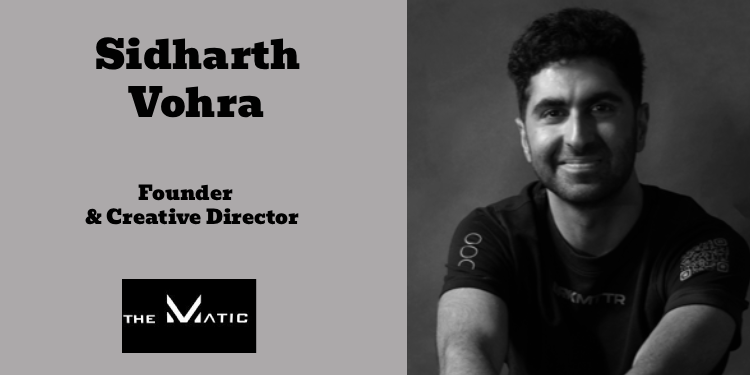
Matic Studio stands out among other innovative studios only because of its integrated approach. Rather than keeping separate branding, motion design, interactive experiences, and digital storytelling, studios adopt a holistic view of things. Visibility is no longer the goal; audience engagement across various digital channels is what matters.
This influences the ways people build their relations with the brand.
When consumers keep interacting with the brand’s visual and narrative language on different levels, they remember that experience much longer than a campaign can do.
Adaptive Creativity Is Becoming Essential
Speed is another factor behind this change.
Culture is faster than a traditional advertising schedule can adapt to. Trends come up suddenly; conversations happen within hours and are continuously changing; and attention spans change as quickly as the next meme or trend.
Brands that work according to traditional campaign structures have trouble remaining current and relevant.
Only the brands that can be flexible and adaptive in their approach, having a well-defined brand personality yet being able to adapt their communication on the fly, will survive the future.
There is no doubt that artificial intelligence will continue to grow in importance during this time.
AI technologies are already allowing the creative process to become more efficient with fast visualisation, mass customisation, and immersive formats previously requiring a much longer development process.
However, technology alone will be insufficient to meet this challenge.
What really matters is creative vision and emotional intelligence as well as effective storytelling. Technology alone can help innovate, but audiences need inspiration through emotions and authentic storytelling.
Beyond Campaigns, Toward Continuous Relevance
Advertising is not going towards being more noisy. Advertising is going towards becoming smarter and more interconnected.
Today, brands must behave like digital organisms, ever-changing, culturally attuned, and emotionally cohesive.
Customers do not wish to be interrupted by sporadic waves of marketing messages that disappear after a short period of time. They want brands that continue to interact with them throughout their digital existence.
In many ways, contemporary marketing is not about capturing someone’s attention anymore but about keeping them connected.
And when customer attention is constantly reset every second, perhaps it will be far more effective than ever before.
(Views are personal)