The Media Manifest is a new age communication consultancy with its niche in BFSI, new economy and emerging space, it offers tailored public relation and digital solutions in the rapidly-shifting ecosystem thus driving the brand narrative to achieve maximum impact.
Founded in October 2021, The Media Manifest is headquartered in Mumbai and provides solutions like Reputation Management, crisis communication, strategic consultation and Influencer Marketing. Its practices are centered around BFSI, wealth management, personal finance, tech, startup, hospitality amongst other spaces.
It has teams in Mumbai and Bengaluru with partners at most. It added that its integrated communication approach will help clients to grow in the ever evolving business ecosystem.
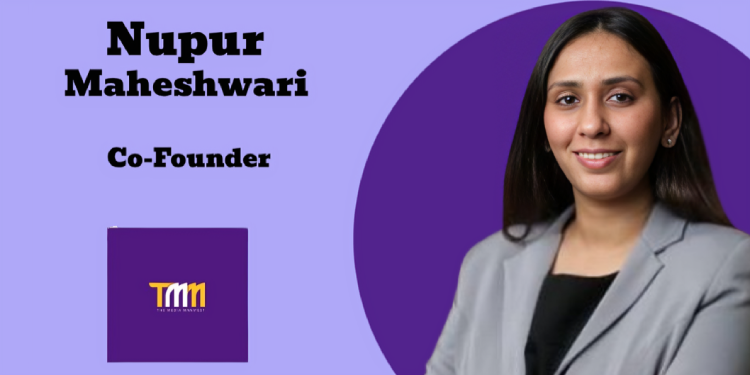
Medianews4u.com caught up with Nupur Maheshwari Co-Founder The Media Manifest
Q. What are the key trends that will define the PR and Communications industry in 2026?
2026 will be the year where PR stops being reactive and becomes predictive. Real-time intelligence, sharper stakeholder mapping, and scenario planning will define serious communications work.
Another big shift is for a brand to build long term, PR, marketing, policy, investor relations, and internal communications will increasingly sit at the same table. Audiences are also far more sceptical now, so credibility, transparency, and consistency will matter more than noise.
Q. Has PR moved from a support function to a leadership discipline especially when it comes to crisis communication and reputation management?
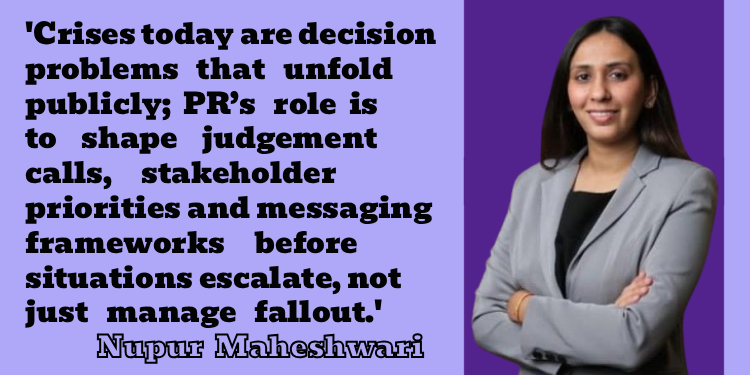
Yes, In fact, crises today are rarely “communication problems” alone they’re decision problems that show up publicly.
PR plays an important role not just to manage fallout but to shape judgement calls, stakeholder priorities, and messaging frameworks before things escalate. Today founders and CXOs are navigating an environment shaped by rapid regulatory changes, policy scrutiny etc.
With so much social media advancements, PR plays a critical role in helping leadership make better judgement calls before things escalate. We have also seen founders trusting their PR partners to anticipate reactions from different stakeholders in different scenarios.
Q. Will PR agencies and leaders that succeed in 2026 be the ones that shape decisions as opposed to just managing narratives?
Yes, and that’s the biggest differentiator. Agencies that succeed will be those that challenge clients when needed, bring external perspective, and help leaders think through situations not just headlines. Managing narratives without influencing decisions is short-term work. Shaping decisions is where real value lies.
We are seeing a lot of founders being personally involved in stakeholder conversations. Narratives will always be one of the biggest gamechanger for companies to see a macro picture for their brand and help in bigger decision making roles.
Q. What goals has The Media Manifest set for itself in 2026? What is the gameplan going to be to get there?
Our focus for 2026 is depth over scale. We want to work with brands where communications genuinely influences growth, trust, and long-term reputation.
We want to build strong sector expertise, invest in intelligence and analytics, and stay extremely close to founders and leadership teams.
Q. How has The Media Manifest integrated AI across its operations? How will AI impact the PR and communications industry in 2026 in areas like scenario modelling, real-time intelligence?
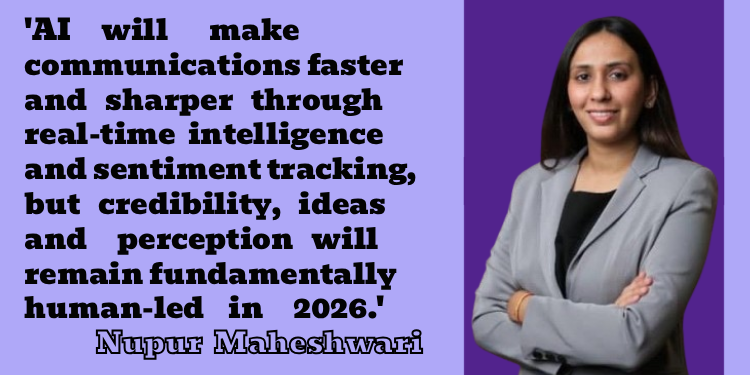
We use AI as an enabler, not a replacement. It helps us scan sentiment faster, track issues in real time.
But ideas and perception still come from people. In 2026, AI will make communications sharper and faster but credibility will still be human-led.
Q. Is underinvestment by corporates who view PR as a discretionary spend a challenge in 2026? Do corporates often only look at PR when a crisis happens?
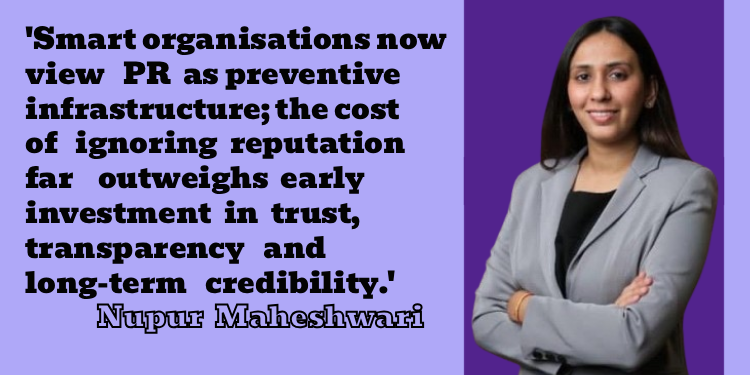
This mindset has started to change. Many organisations still call PR during a crisis, but the smarter ones now see it as preventive infrastructure support.
Our role is often to help leadership understand that the cost of ignoring reputation far outweighs the cost of investing in it early.
Q. Which are the key brand categories like BFSI, hospitality, fintech that The Media Manifest will focus on in 2026?
Fintech, BFSI, AI-led platforms, and new-age technology businesses will remain core focus areas. These are categories where trust, regulation, and innovation collide, making communication both complex and critical.
Q. How closely does The Media Manifest work with CMOs of clients to ensure alignment?
Very closely not only with CMOs but CEOs as well. We see CMOs as natural allies because brand, narrative, and reputation are deeply interconnected.
We typically work as an extension of the leadership team, ensuring that marketing, PR, and leadership communication are not speaking in different voices.
Q. The agency has started to work with Beams Fintech Fund. Is one of the goals to make communication in the fintech category more engaging as opposed to being dry and dull?
Fintech doesn’t have to sound technical or boring. The opportunity is to tell stories around founders, intent, and impact, not just numbers.
With Beams, the idea is to humanise the category and bring clarity without oversimplifying.
Q. The aim is to amplify Beams’ brand voice and reinforce its founder-first investment philosophy. What tactics are being explored?
Founder-led storytelling, sharper thought leadership, selective media engagement, and a strong digital presence are key pillars. The focus is on quality conversations, not just visibility.
We’re also exploring stakeholder event opportunities, long-form content and platforms that allow Beams to be relevantly present.
Q. In sharpening brand positioning, what will be the key challenge in a competitive fintech category?
The fintech space is crowded, and sameness is the biggest risk. The challenge is to stay authentic, consistent, and differentiated especially when everyone is chasing attention at the same time.
Q. In building thought leadership, how important will LinkedIn be? Has it emerged as an alternative to the press release?
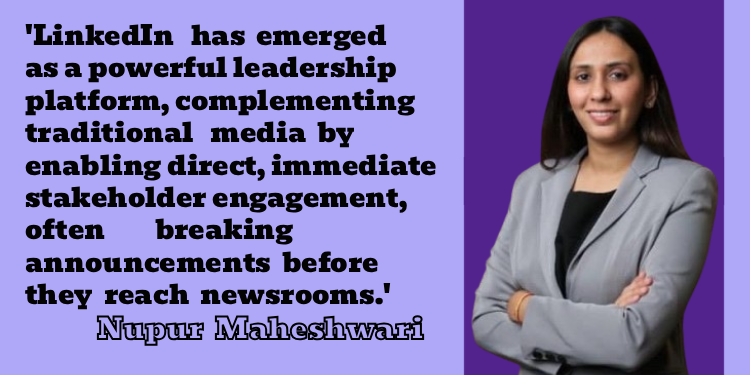
LinkedIn has become extremely important. It allows leaders to speak directly and instantly to stakeholders.
While it doesn’t replace traditional media, it complements it . In many cases, announcements now break on LinkedIn before they reach newsrooms.