Mumbai: IPL 2026 is once again showcasing the league’s commercial dominance, with advertising revenues expected to reach ₹4,900–₹5,200 crore and participation from a wide spectrum of brands across FMCG, technology and fintech. Despite regulatory headwinds impacting select sectors such as real-money gaming, advertiser demand remains strong, underlining the IPL’s unmatched scale and reach. Backed by media rights worth over ₹48,000 crore and expanding franchise ecosystems, the tournament continues to attract both legacy advertisers and new-age brands.
Yet beneath this scale lies a more nuanced reality—IPL advertising is not evenly distributed. Instead, it is shaped by a concentrated group of dominant advertisers and a stable set of high-performing categories, a trend highlighted in the “Advertising on Cricket – A Compelling Playbook” report by Synchronize India in collaboration with Unomer.
Advertising Landscape: Concentration vs Participation
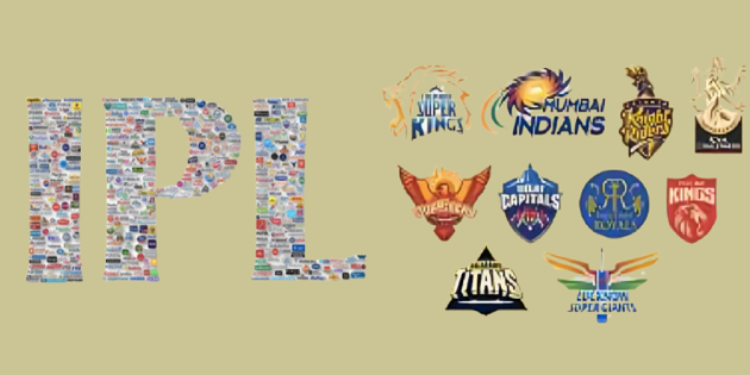
Over the past 13 seasons (2013–2025), the IPL has attracted more than 500 advertisers and over 1,500 brand variants, collectively investing around ₹30,000 crore. On the surface, this suggests a broad and inclusive advertising ecosystem. However, a deeper analysis reveals a highly skewed structure.
A relatively small cohort of advertisers drives a disproportionate share of spending. Nearly 30% of brands account for over 80% of total advertising investments, indicating that IPL is dominated by high-confidence, repeat advertisers with sustained commitments.
This concentration is further reinforced by participation patterns. Only a limited number of advertisers maintain a long-term presence across multiple seasons, while a much larger pool of brands participates sporadically—often entering the IPL ecosystem for short-term visibility before exiting. These intermittent participants contribute significantly less to overall spending, highlighting the limited impact of one-off campaigns in a high-clutter environment.
The implication is clear: IPL rewards consistency over experimentation. Brands that invest across multiple seasons are better positioned to build recall, optimise creative strategies and derive long-term value, while short-term entrants struggle to achieve meaningful impact.
Category Trends: Stability at the Top
A similar pattern of concentration is visible at the category level. Over the years, nearly 240 advertising categories have appeared on IPL, but only a select group has demonstrated consistent presence and significant investment.
Categories such as smartphones, aerated beverages, e-commerce, automobiles, paints and air conditioners have remained the backbone of IPL advertising. These sectors not only participate consistently but also account for a substantial share of total ad spends, reinforcing their strategic reliance on IPL as a key marketing platform.
In contrast, a large number of categories appear only intermittently, often driven by short-term marketing objectives or seasonal campaigns. While these categories add diversity to the advertising mix, their contribution to overall spend and long-term impact remains limited.
The rise of digital-first businesses has also reshaped the category landscape. Over the past few seasons, e-commerce, gaming, fintech and online services have emerged as significant contributors, particularly following the expansion of digital viewership. These categories have leveraged IPL’s scale to drive user acquisition and brand awareness at speed.
However, even within this evolving mix, the dominance of core categories remains intact. Their sustained investments underscore a key insight: IPL functions as a long-term brand-building platform rather than a tactical advertising channel.
The Interplay Between Scale and Stability
The combination of advertiser concentration and category stability creates a unique economic structure within IPL. On one hand, the platform attracts a wide range of participants, reflecting its universal appeal. On the other, the bulk of value is generated by a relatively small set of committed advertisers operating within a stable group of categories.
This duality is critical to understanding IPL’s advertising dynamics. While new entrants bring freshness and experimentation, it is the core advertisers and categories that anchor the ecosystem, ensuring continuity and sustained revenue growth.
Moreover, this structure reinforces the importance of strategic planning. Brands looking to succeed on IPL must move beyond short-term visibility goals and adopt a long-term approach that combines consistent participation, strong creative execution and cross-platform integration.
A Platform That Rewards Commitment
As IPL 2026 continues to scale, the league’s advertising landscape reflects both its breadth and its depth. While hundreds of brands enter the ecosystem each year, true impact is concentrated among a smaller group of committed advertisers and stable categories.
This dynamic highlights a defining characteristic of IPL advertising—it is not just about being present, but about staying present. In a cluttered and competitive environment, sustained investment, category relevance and strategic consistency are what ultimately drive success.
The findings from the Synchronize India–Unomer report reinforce this reality, positioning IPL as a platform where long-term commitment, rather than short-term experimentation, determines who truly wins the advertising game.