Mumbai: Day 3 of Goafest 2026 brought together some of the advertising, marketing, media, and technology industry’s leading voices for a series of conversations centred around creativity, trust, measurement, consumer behaviour, and the evolving relationship between brands and agencies.
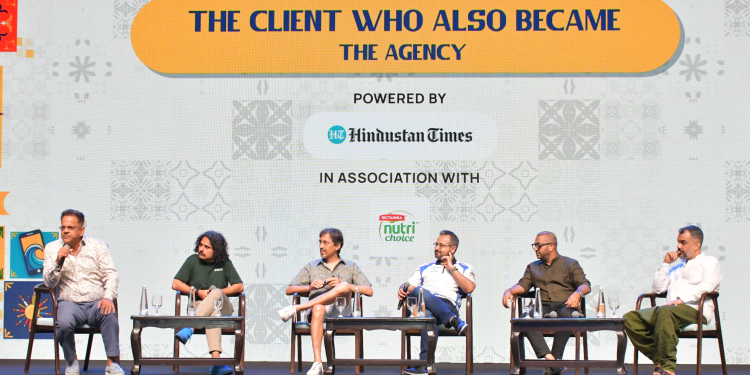
The day opened with a session titled ‘The Client Who Also Became the Agency’, powered by Hindustan Times. Moderated by Rohit Ohri, Founder, Ohriginal, the panel featured Raj Kamble, Founder & CCO, Famous Innovations; Gaurav Ramdev, CMO – India & South Asia, Visa; Ajay Kakar, Head – Corporate Branding, Adani Group; Chandan Mendiratta, Chief Brand Officer, Zepto; and Harsh Deep Chhabra, Global Head – Media, Godrej Consumer Products Limited.
The discussion explored how brands are increasingly building in-house creative capabilities while continuing to rely on agencies for cultural relevance, strategic thinking, and creative disruption.
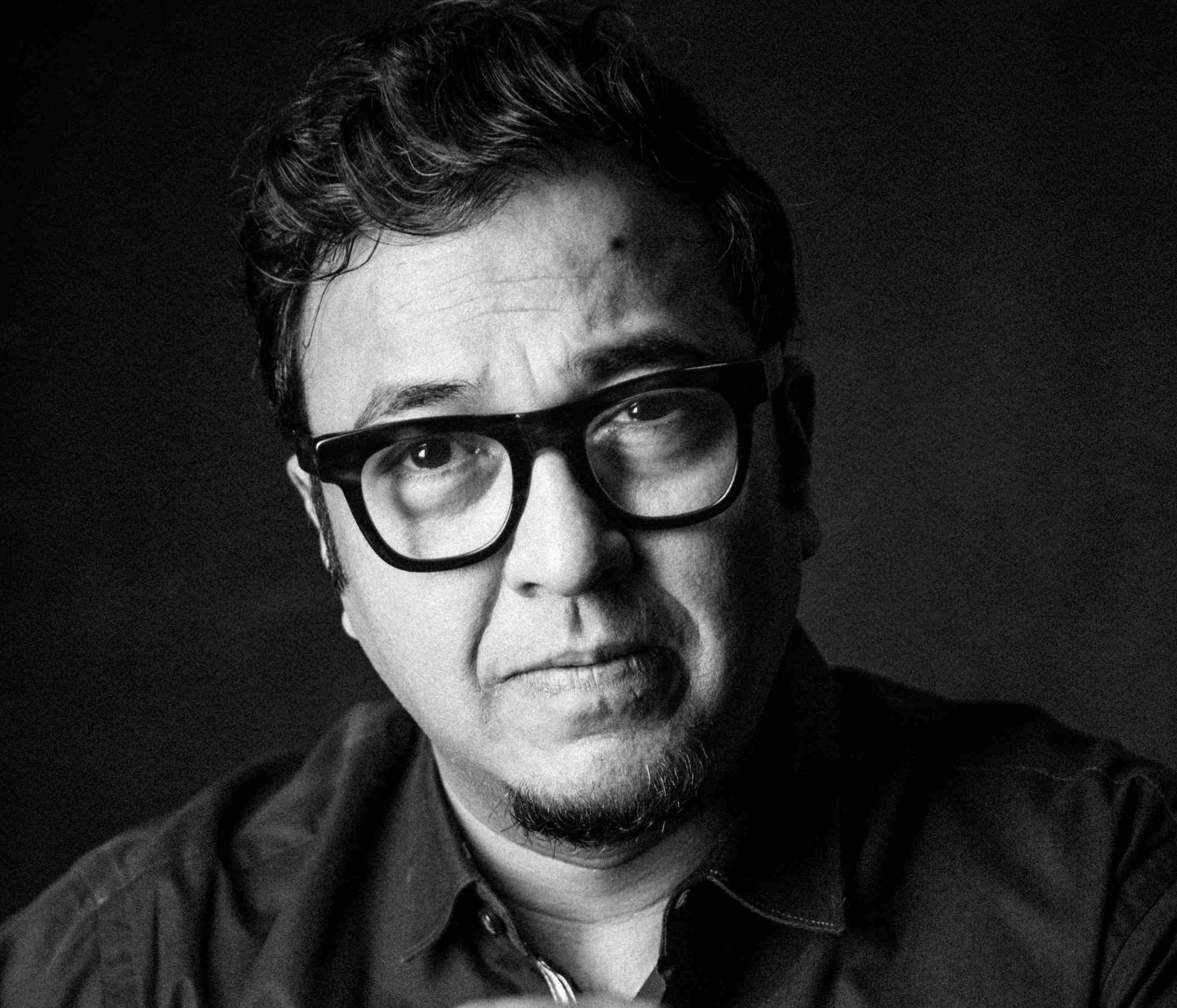
Speaking during the session, Raj Kamble, Founder & CCO, Famous Innovations, said, “The biggest difference between agencies and in-house teams is culture. Agencies bring outside perspective, debate, challenge and creative friction, while many brands build in-house teams for cost efficiency and tighter control. Creative excellence thrives when brands and agencies work as true partners, and strong agency culture encourages disagreement, experimentation, and bold thinking.”

Gaurav Ramdev, CMO – India & South Asia, Visa, highlighted the growing need for agility and cultural responsiveness in modern marketing ecosystems. He said, “In-housing is driven by the need for speed, agility, and cultural relevance, as modern brands must react to culture and consumer behaviour in real time. Long-term strategic campaigns and fast-moving daily content now coexist together, while consistency at scale remains critical alongside local adaptation and rapid trend response. The future operating model will be a hybrid between traditional agencies and agile in-house systems.”
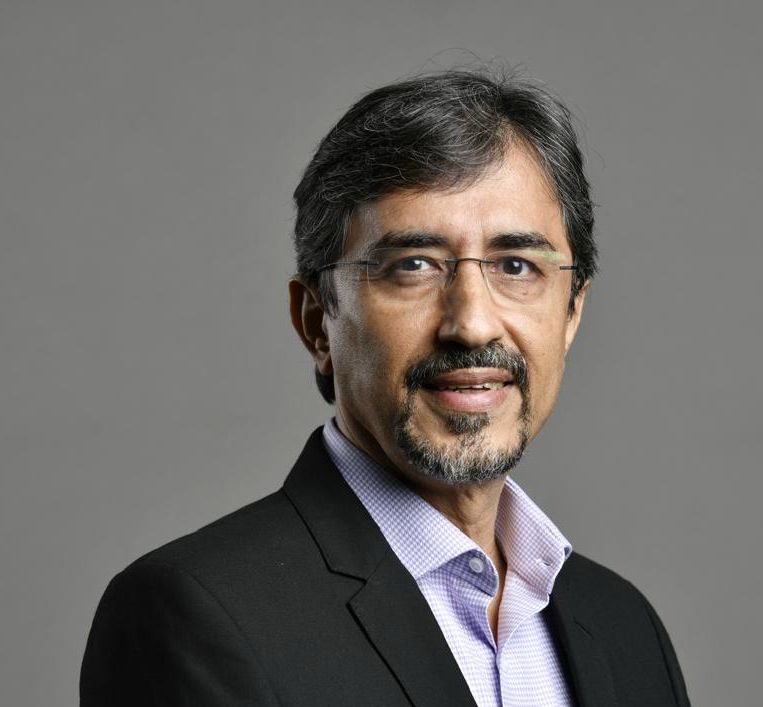
Ajay Kakar, Head – Corporate Branding, Adani Group, spoke about the need for stronger collaboration between brands and agencies. He said, “The relationship between brands and agencies should function like a strong partnership built on mutual value. Brands move work in-house when agencies fail to meet expectations around speed, relevance, or execution, while the industry must focus more on conversations and audience relevance than only impressions and reach. The future depends on transparent collaboration, evolving with new tools and technologies, and building complementary strengths.”
Chandan Mendiratta, Chief Brand Officer, Zepto, emphasized the importance of real-time creativity and in-house brand culture. He said, “Zepto’s in-house model is built for agility and real-time cultural relevance, where social media comments and consumer behaviour inspire campaigns within minutes. The brand operates like a content creator brand, celebrating multiple cultural moments and micro-occasions through highly frequent, trend-driven campaigns. Brand culture cannot be outsourced, and in-house teams help maintain consistency across design, PR, communication, and branding.”
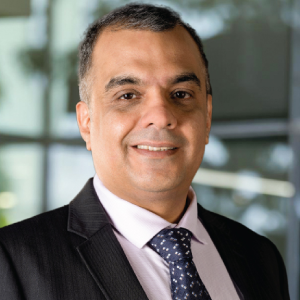
Harsh Deep Chhabra, Global Head – Media, Godrej Consumer Products Limited, reflected on how in-housing has evolved alongside business priorities. He added, “Godrej Consumer Products scaled from being among the top 20 advertisers to one of India’s top 4 advertisers, with campaigns increasing from around 10 to nearly 30 per month. In-housing became critical as business data, growth KPIs, and strategic insights are deeply integrated internally. The focus is not on awards, but on marketplace growth, brand visibility, shareholder value, and aligning marketing efforts closely with business outcomes and sales impact.”
The next major session, ‘The Great Attention Reset: Because Growth Today Is Built on Trust, Not Traffic’, powered by LinkedIn, focused on how brands are redefining attention and engagement in an increasingly fragmented digital ecosystem. Moderated by Devajit Roy, Head of India, Mid Market & Growth – Marketing Solutions, LinkedIn, the panel included Punit Dharamsi, Executive Vice President, Association of Mutual Funds in India (AMFI); Tuhina Pandey, Director, APAC Communications & Chief Marketing Officer, India and South Asia, IBM; and Jahid Ahmed, Senior Vice President and Head of Digital, HDFC Bank.

Punit Dharamsi, Executive Vice President, Association of Mutual Funds in India (AMFI), spoke about contextual communication and investor education. He said, “Financial communication works best during key life moments like first jobs, marriage, childbirth, retirement, increments, and tax planning. AMFI focuses on contextual messaging around financial milestones, encouraging young earners to begin SIPs with their first salary. Through continuous, always-on communication, educational content formats, and character-led storytelling, the emphasis remains on investor education and trust-building over panic during market volatility.”
Tuhina Pandey, Director, APAC Communications & Chief Marketing Officer, India and South Asia, IBM, emphasized the role of relevance in today’s B2B ecosystem. She stated, “Relevance matters more than reach in today’s attention economy, especially when influencing modern buying committees across CMOs, CFOs, CEOs, and CIOs. AI is becoming both an audience and an intermediary, changing how relevance is measured. Strong storytelling, aligned sequencing, and smart repurposing across short- and long-form content help drive engagement across the funnel, with effectiveness ultimately tied to business journeys and pipeline impact.”
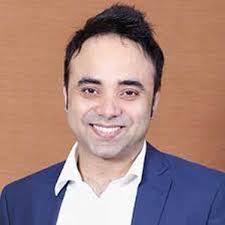
Jahid Ahmed, Senior Vice President and Head of Digital, HDFC Bank, highlighted the shift toward intent-led digital ecosystems. He said, “Attention today is built on trust, safety, relevance, and frictionless experiences. Marketing is shifting from interruption-led communication to intent-led ecosystems, where credibility matters more than reach. Creator partnerships, peer validation, and educational content are driving both awareness and conversion, while first-party data and personalisation at scale are becoming central to building long-term trust and improving customer lifetime value.”
Another key conversation during the day focused on media measurement and accountability through the session ‘From Platform-Defined to Brand-Aligned: A Reset in Measurement’, powered by Mediakart & Times Network. The panel featured Aditi Mishra, Chief Executive Officer, Lodestar; Dhiraj Gupta, Co-Founder & Chief Technology Officer, mFilterIt; Neha Markanda, Chief Business Officer, ShareChat; and Shahad Anand, Business Head, Mediakart, moderated by Ashish Sehgal, Chief Executive Officer – Times TV Network & CGO – Times Media & Entertainment.

Aditi Mishra, Chief Executive Officer, Lodestar, said, “Platform metrics should be treated as tools, not the final measure of brand success, since performance data alone cannot define long-term growth. Brands must balance data with instinct and consumer understanding, as there is no single source of truth in measurement today. Ultimately, consumers buy products, not algorithms, and strong brand building requires contextual storytelling, emotional connection, and collaboration across agencies, marketers, and multiple measurement frameworks.”

Dhiraj Gupta, Co-Founder & Chief Technology Officer, mFilterIt, reinforced the importance of independent verification in digital advertising. He said, “Measurement in advertising is ultimately about trust and validating platform claims, which is why independent third-party verification is essential instead of relying only on platform-defined metrics. Advertisers need proof of audience quality and delivery, and measurement must support business outcomes and shareholder value. As the saying goes, ‘the maker cannot be the checker, and the checker cannot be the maker,’ making transparency and accountability non-negotiable in building advertiser confidence.”

Neha Markanda, Chief Business Officer, ShareChat, emphasized culturally relevant measurement frameworks. She said, “Platforms should act as partners aligned with brand objectives, where different platforms solve different business use cases and cannot fulfil every objective equally. User participation, culture, and context matter as much as impressions, and brands must triangulate platform data, user behaviour, and business outcomes rather than rely on a single metric. Ultimately, success is reflected when ‘user truth’ and ‘brand truth’ align through engagement, sales, and meaningful cultural relevance beyond demographics.”
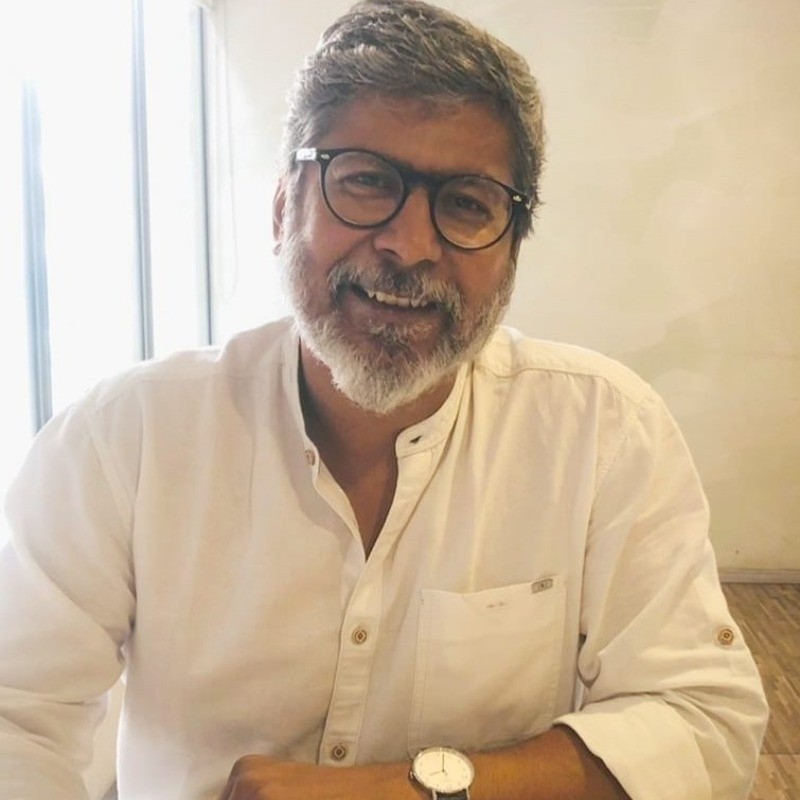
Shahad Anand, Business Head, Mediakart, added, “Brands focus on efficiency, money and growth, where measurement exists to support business objectives rather than become the objective itself. Metrics like CAC, ROAS and conversions matter only when they drive real outcomes, as brand building, acquisition and sales each require different approaches. In an environment where every piece of content can be monetised, trusted third-party verification is critical to ensure transparency and validate whether campaigns are creating real behavioural impact.”
The festival also hosted ‘Scale vs Soul: Creativity in the Age of Agency Consolidation’, powered by CNN News18, featuring Ashish Chakravarty, Managing Partner & CCO, Garage Worldwide; Ashish Khazanchi, Managing Partner, Enormous; Senthil Kumar, Storyteller & Film Director; and Tarun Bhagat, Chief Marketing Officer, PepsiCo.
Ashish Chakravarty, Managing Partner & CCO, Garage Worldwide, said, “Legacy agencies and independent setups operate with different pressures, where larger networks often follow global processes while independent agencies build distinct creative cultures. CMOs today are more aware and proactive, increasingly asking for disruptive, culturally relevant work that drives fame, visibility, and cultural impact, making communication not just operational but a core driver of conversation and culture.”
Ashish Khazanchi, Managing Partner & CCO, Garage Worldwide, observed, “Independent agencies are not the only ones creating impactful work—large networks also produce strong campaigns. But sustaining scale often shifts focus towards numbers, efficiency, and targets, where Excel-driven pressures can dilute creative freedom. While the industry is becoming more performance-oriented, brands and CMOs still want work that makes them famous, enters culture, and sometimes requires the courage to say ‘no’ to preserve creative integrity.”
Senthil Kumar, Storyteller & Film Director, added, “Brand ideas build brands while creative ideas come from creative souls, and strong creativity must amplify a central brand idea through persistence and belief. AI is a tool that can improve execution efficiency and reduce production costs, but it lacks emotional depth. It cannot replace human storytelling, which remains defined by characters, individuality, and emotional resonance.”
Tarun Bhagat, Chief Marketing Officer, PepsiCo, concluded, “The debate between large and small agencies is often overrated, as great work ultimately depends on people rather than agency size. Consumers remember impactful campaigns, not structures, while brands continue to seek long-term growth, consistency, and legacy alongside faster, culturally relevant ideas. CMOs are increasingly open to bold thinking, but what ultimately matters is delivering emotionally impactful work that strengthens the brand over time.”

The day also featured a keynote by Rana Barua, Group CEO, Havas India, SE Asia and North Asia (Japan and South Korea), titled ‘Micro and Macro Resets Across Marketing, Advertising and Media’. Speaking during the session, Rana said, “The marketing, advertising and media industry is undergoing a positive reset driven by evolving consumer behaviour, changing media habits and rapid technological progress. AI is no longer just a discussion point but an integral part of business, creativity, and everyday workflows, enabling smarter productivity and decision-making. Agencies are evolving into integrated business and communication partners, while the future belongs to adaptable super specialists who combine deep expertise with broader business understanding.”
In addition to panel discussions, Day 3 also featured multiple masterclasses by Spotify Advertising, White Rivers Media, Insider Media, YouTube, MRSI, and PrismX By Mobavenue, covering themes such as audio storytelling, social-first branding, cultural ownership, behavioural psychology, and omni-channel marketing strategies.
With conversations spanning trust, creativity, measurement, AI, and the future of advertising ecosystems, Day 3 of Goafest 2026 continued to position the festival as a key platform for industry-defining dialogue and collaboration.