Omnicom Global Solutions (OGS) India is Omnicom’s integrated solutions engine, uniting nearly 7,000 professionals and delivering comprehensive solutions across media, data, technology, martech, business support, advertising, healthcare, commerce, creative production, and strategy & insights for Omnicom agencies and their clients globally.
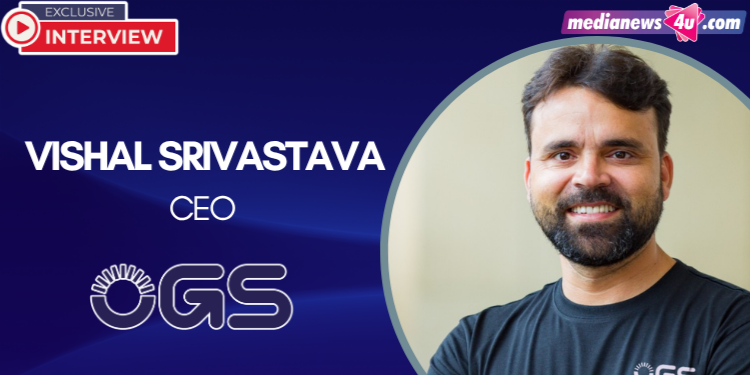
Medianews4u.com caught up with Vishal Srivastava, CEO, Omnicom Global Solutions (OGS) India following the integration of Omnicom’s India based global capabilities and the former IPG Global Capabilities Center teams in India under OGS. This integration brings teams, capabilities, and delivery models together under one unified OGS organisation, creating a more connected and integrated solutions engine for Omnicom agencies. The interaction will focus on how this integration is shaping the next phase of OGS and what it means in practical terms for agency delivery.
Q. What does the OGS–IPG GCC integration mean for Omnicom agencies, and how does it change the way capabilities across media, creative, data, and technology now work together versus the earlier siloed model?
The real win for our agencies is the removal of friction. By merging the workforces of OGS and IPG’s GCC, we have built a single integrated solutions engine that eliminates the need for agencies to chase fragmented teams across different geographies.
Earlier, media, creative, data, and technology were treated as separate tasks. Today, they operate as one end-to-end marketing workflow across a 7,000+ strong organisation. OGS now acts as the central window for the entire Omnicom network: We handle complexity around data, platforms, and multimarket coordination so agencies can stay focused on strategy, creativity, and growth.
 Q. What complementary capabilities do they bring to the table?
We’ve combined two complementary strengths. Legacy OGS brings deep experience in end-to-end marketing operations across media, advertising, healthcare, PR, data, and technology. IPG’s GCC adds strong depth in media, data, and martech execution.
What this effectively brings together is strategy, execution, and technology in a single operating layer linking upstream capabilities like insights, creative and communications with downstream delivery across media, data, and platforms. Earlier, these capabilities often operated in parallel; now they are more tightly connected, enabling faster turnaround, better coordination, and more consistent output across global markets.
Q. The mandate was to integrate two distributed global workforces into one cohesive capability engine. How did AI help in the process?
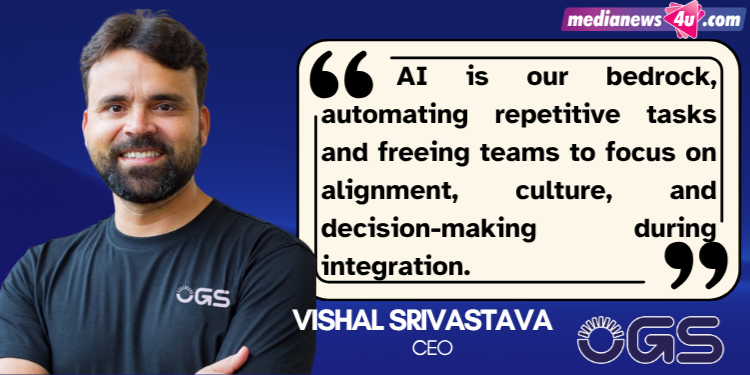
AI is our bedrock, not an add-on. With multiple deployed agents and access to over 1,000+ through the new Omni platform, across media, data, and creative workflows, we were able to automate repetitive, high-volume tasks and improve consistency at scale.
This mattered during integration because it freed teams from routine work and allowed them to focus on alignment, culture, and decisionmaking. AI gave them space to do more meaningful work during a period of change.
Q. How do capabilities across media, creative, data, technology, and operations now work together more closely?
You can see it in how teams work every day. Media practitioners, data specialists, engineers, and compliance experts operate side by side, both physically and operationally.
That proximity creates constant feedback loops. Insights from data work inform creative decisions or media optimisation almost immediately. This isn’t colocation for optics. It’s connected delivery, where work flows end to end instead of being passed between silos.
Q. The real strength lies in the capability stack. How will this help serve clients better?
It moves the conversation from the CFO’s desk to the CEO’s desk. While we provide cost efficiency, our real impact is on the top line. By having the “creators” of technology (our engineers) and the “users” (our media practitioners) under one roof, we can deploy solutions faster.
Clients get cleaner data, smarter use of GenAI, and a delivery model they can trust across markets. Most importantly, we can respond to briefs with integrated solutions from day one, not after stitching teams together.
 Q. When you talk to clients, is their biggest concern to reach a satisfactory outcome in a rapidly changing and complex media landscape?
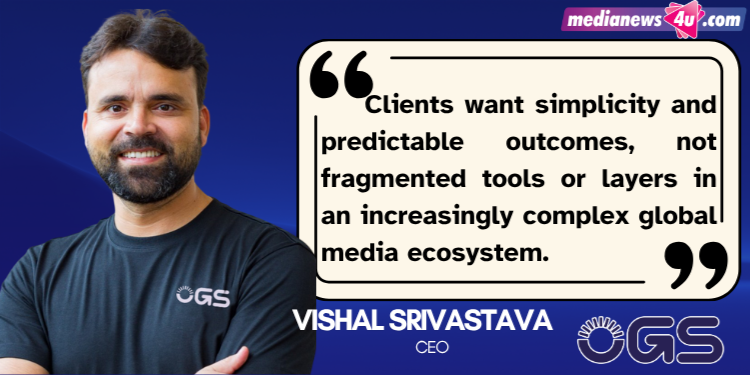
Clients want simplicity and predictability. They’re operating across dozens of markets with fragmented data and uneven execution. They don’t want more tools or layers. They want partners who absorb complexity and deliver clear, consistent outcomes. Integrated delivery is critical because it removes fragmentation and improves confidence in results.
Q. The focus is on building a ‘sandbox, solve, scale’ model. What does this entail?
It is how we operationalise innovation. Agencies bring us their toughest operational or workflow problems. We Sandbox (ideate and test) the solution here using our deep AI and data expertise. Once we Solve it, whether it’s a taxonomy issue or a new creative workflow, we then Scale that solution across other global markets and clients where similar challenges exist. Innovation becomes repeatable, not experimental or isolated.
Q. Is data analytics playing a crucial role in driving value for clients? Is it helping simplify complex workflows?
Absolutely. Data is the foundation, and this is where we see some of the clearest impact. For a major global technology company operating across more than 75 markets, inconsistent taxonomy and reporting structures were limiting decisionmaking at scale.
We helped clean, standardise, and align media data across markets, creating a single, reliable view for reporting and optimisation. That backbone effort simplified workflows dramatically and made insights actionable. It also reinforced a critical truth: AI, automation, and optimization only perform as well as the quality of data they are built on.
Q. How does India fit into Omnicom’s broader capability and delivery strategy?
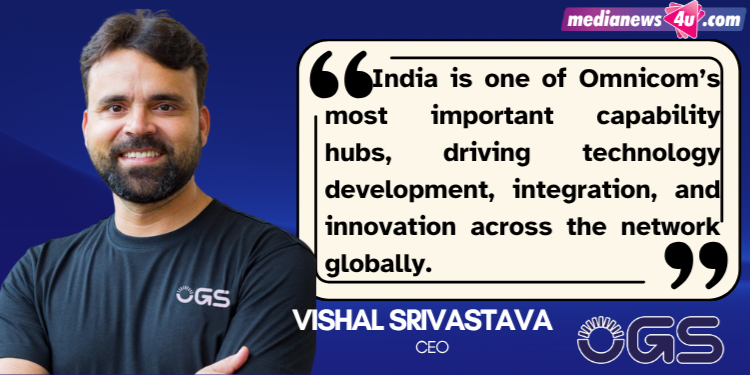
India is one of Omnicom’s most important capability hubs globally.
It plays a central role in integration, technology development, and innovation across the network. A significant share of engineering work for Omni, Omnicom’s marketing operating system, happens here. India provides the scale, talent, and crosscapability integration that power modern marketing delivery worldwide. This goes far beyond a traditional offshore model.
Q. What is the way forward for OGS as one unified organisation?
It is about doing what’s next, not just talking about it. We are moving from being seen as an execution engine to becoming a more central, orchestrating hub for our agencies, where everything across media, data, tech, and creative comes together in a more connected way.
In terms of growth, we do expect to expand, roughly 10–15% by the end of 2026, but it is not about adding numbers for the sake of it. It is about building the right capabilities based on what our clients and agencies actually need. At the end of the day, our success will come down to two things. Are we making things simpler for our agency partners, and are we able to clearly connect our work to real business outcomes for clients. That is what we will continue to measure ourselves against.
 Q. What trends are being seen in 2026 in terms of the evolving industry ecosystem and what it means for agencies?
The shift is from efficiency to impact. Cost arbitrage is no longer enough. Agencies are looking for “GenAI-ready” talent who understand how to connect technology to business outcomes. At the same time, clients want simplification. They’re moving away from fragmented stacks toward integrated, singlewindow solutions that deliver both execution and strategic value.