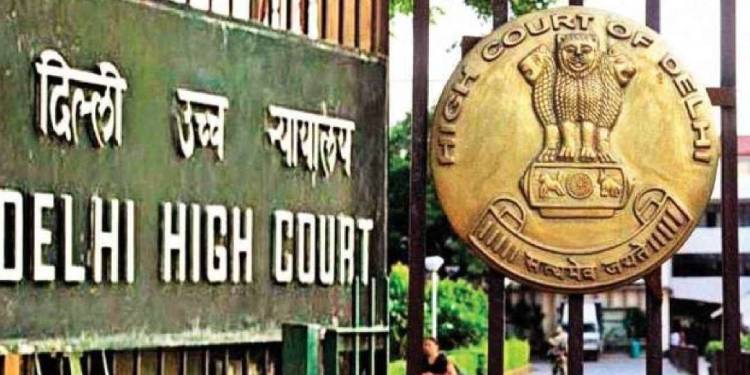
New Delhi : The Delhi High Court has highlighted the growing need for a comprehensive legal framework to regulate digital media while protecting the constitutional freedom of the press, as the rapid expansion of online content platforms continues to reshape India’s media landscape.
According to the reports, during the hearing of a bail petition involving two individuals accused of assaulting freelance YouTube reporters, Justice Girish Kathpalia observed that the accessibility of smartphones and digital publishing platforms has made it possible for virtually anyone to present themselves as a journalist, raising concerns about accountability and professional standards.
The court stressed that while press freedom remains a fundamental pillar of democracy, it cannot be used to justify irresponsible reporting, intimidation, or actions that may threaten public order or social harmony.
The observations were made in connection with a July 2025 incident in Delhi’s Seemapuri area, where two freelance YouTube reporters were allegedly attacked by a mob while filming a report related to an allegedly illegal place of worship. According to court proceedings, members of the crowd allegedly seized the reporters’ camera battery and mobile phones during the incident. Two accused, identified as Abid Ali and Fukran, were later arrested and approached the Delhi High Court seeking bail.
During the proceedings, the court noted that the reporters had allegedly provoked local residents while recording content and observed that some “self-styled” journalists may adopt aggressive questioning techniques that can create misleading narratives. The court remarked that such practices have the potential to heighten social tensions and disrupt communal harmony.
Emphasising the importance of responsible journalism, the High Court stated that India requires an appropriate legal and regulatory framework that ensures accountability across traditional and digital media without undermining the constitutional protections afforded to the press.
The observations come at a time when digital-first journalism, independent content creators, and social media-based reporting are playing an increasingly significant role in news dissemination. The case has reignited discussions on the need to balance press freedom, public interest, professional ethics, and accountability in the evolving digital media ecosystem.
Industry observers believe that any future regulatory framework would need to carefully address issues such as journalistic standards, transparency, digital content governance, and legal safeguards while preserving the independence of the media.
As India’s digital news ecosystem continues to expand, the High Court’s remarks are expected to contribute to broader policy discussions on strengthening media accountability without compromising democratic values or freedom of expression.