Ahmedabad: The Ahmedabad Chapter of the Public Relations Society of India (PRSI), in association with Anant National University and supported by the Indian Institute of Mass Communication Alumni Association (IIMCAA), will organise a national conference on “Fact-Checking in the Age of AI: Combating Misinformation in a Digital-First World” on July 18 at Anant National University.
The day-long conference will bring together communication professionals, academicians, journalists, policymakers, technology experts and fact-checkers to deliberate on the growing challenges of misinformation and disinformation in an AI-driven digital ecosystem.
More than 80 delegates from PRSI chapters across the country are expected to participate. The programme will feature keynote addresses, panel discussions and interactive sessions covering artificial intelligence, media literacy, digital ethics, fact-checking practices and the evolving role of communication professionals in strengthening information integrity.
A key highlight of the conference will be the release of the PRSI National Knowledge Report on “Fact-Checking in the Age of AI”, which examines the intersection of artificial intelligence, misinformation and information integrity in India. The report has been prepared by Utsav Jain, Research Scholar in Mass Communication at Sardar Vallabhbhai Global University, under the guidance of Dr. Archana Kumari, Associate Professor, Centre for Media Studies, Jawaharlal Nehru University.
The conference will also witness the launch of PRSI’s National Committee on Fact-Checking, an initiative aimed at promoting ethical communication and strengthening resilience against misinformation and disinformation.
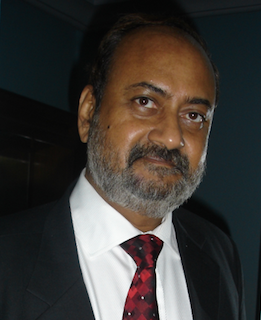
Dr. Ajit Pathak, National President, PRSI, said, “In the age of Artificial Intelligence, the credibility of information has become one of the defining challenges for communication professionals. Fact-checking is no longer the responsibility of journalists alone; it is a shared responsibility of public relations practitioners, academia, technology experts and institutions. Through this national conference, PRSI seeks to foster meaningful dialogue, encourage ethical communication practices and strengthen the collective capacity to combat misinformation in the public interest.”
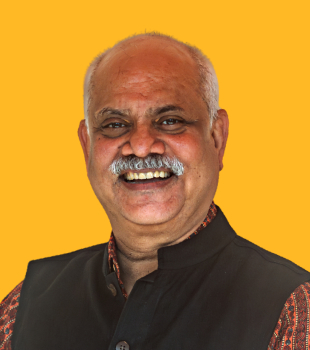
Dr. Sanjeev Vidyarthi, Provost, Anant National University, said, “Universities have an important role in preparing students and professionals to deal with the challenges of a fast-changing digital world. We are happy to partner with PRSI Ahmedabad for this conference, which will encourage thoughtful discussions, media awareness and ethical use of technology. Such collaborations help build stronger connections between academia and industry.”
Dr. Kashyap Jani, Founder & Director, JANI Infotech Pvt. Ltd., said, “In emergencies and disasters, accurate information can save lives, while misinformation can create panic and hamper response efforts. As Artificial Intelligence accelerates the creation and dissemination of content, the need for robust fact-checking and trusted communication systems has never been greater. Technology must be designed not only to respond faster but also to ensure that verified, credible information reaches citizens when they need it most.”
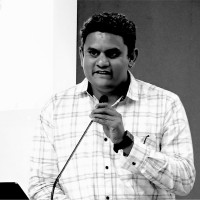
Vicky Shah, Chairman, PRSI Ahmedabad Chapter, said, “Artificial Intelligence is changing the way we communicate and consume information. While it brings many opportunities, it also makes it easier for misinformation to spread. Through this conference, we want to bring together professionals and experts to have honest conversations about how we can strengthen fact-checking and promote responsible communication. Our aim is to contribute to a more informed and trustworthy information environment.”
According to the organisers, the conference is intended to serve as a national platform for discussions on truth, trust and accountability in communication by bringing together stakeholders from academia, industry, media, public institutions and the public relations profession. The event will include the release of the knowledge report, thematic sessions, moderated discussions, audience interaction and a valedictory session.