Friday, September 11, 2026
MediaNews4U
  • Exclusive
  • Advertising
  • Media
    • Radio
    • Cable & DTH
    • Print
    • Digital Frontier
    • Gaming Nexus
  • Television
  • OTT
  • Ad-Tech
  • Marketing
  • Campaigns
  • Analysis
  • Opinion
    • Opinion
    • Think Through
    • Prescience 2023
    • Prescience 2024
  • People
  • Events
    • Leader Speak
    • STRAIGHT TALK
    • Gamechangers
    • Print & TV Summit
MediaNews4U
  • Exclusive
  • Advertising
  • Media
    • Radio
    • Cable & DTH
    • Print
    • Digital Frontier
    • Gaming Nexus
  • Television
  • OTT
  • Ad-Tech
  • Marketing
  • Campaigns
  • Analysis
  • Opinion
    • Opinion
    • Think Through
    • Prescience 2023
    • Prescience 2024
  • People
  • Events
    • Leader Speak
    • STRAIGHT TALK
    • Gamechangers
    • Print & TV Summit
MediaNews4U.com
Home Authors Corner

The Rise of Vernacular Marketing: Connecting with Bharat Beyond English

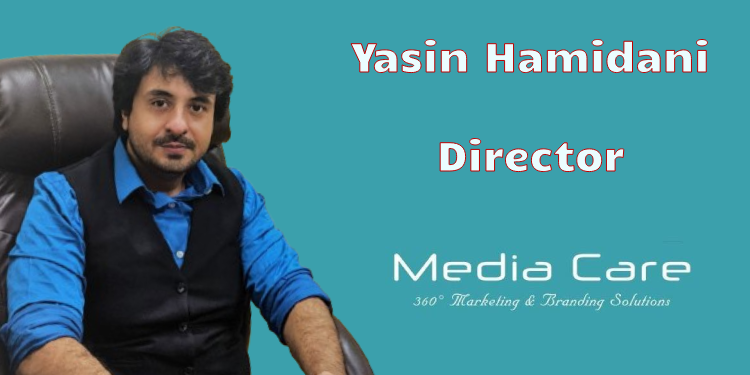
Authored Article by Yasin Hamidani, Director, Media Care Brand Solutions

by Guest Column
February 20, 2025
in Authors Corner
Reading Time: 4 mins read
A A
Creators vs. Characters: Are Virtual Influencers the Future of Indian Brand Endorsements?
Share Share ShareShare

In the fast-evolving world of digital marketing, one of the most significant shifts in recent years has been the rise of vernacular marketing. This trend is reshaping the way brands communicate with consumers in India, recognizing the immense diversity of languages spoken across the country. As marketers increasingly target India’s vast, diverse population, they are moving beyond English to engage with the “Bharat”, where regional languages dominate. This shift marks a new phase in marketing.

The Changing Landscape of Indian Marketing

India, with its staggering population of 1.4 billion, is a land of diverse languages, traditions and regional cultures. While English has long been seen as the language of business and technology, the reality is that only about 10% of the population is proficient in it. In contrast, around 90% speak regional languages, often in their daily interactions. As the digital penetration increases, especially in Tier 2 and Tier 3 cities, brands have realized that speaking to consumers in their own language can lead to deeper emotional connections and higher engagement.

The rise of vernacular marketing is driven by multiple factors, including the increasing smartphone penetration, cheaper data rates, and the growing number of internet users in non-metro cities. In fact, a report estimates that 9 out of 10 new internet users are coming from rural and semi-urban areas, where regional languages are primarily spoken. In such a context, using regional languages in marketing campaigns is a necessity for businesses aiming for growth in the Indian market.

The Importance of Vernacular in Consumer Engagement

Vernacular marketing is about more than just translating content into a regional language; it’s about crafting messages that resonate with the local culture, values, and emotions. The use of regional languages helps brands build trust, making the consumer feel understood and valued. Language is not just a medium of communication; it is a tool that builds relationships.

For example, in rural India, many people may not understand or relate to content in English. If a brand wants to connect with them, it must speak their language — whether it’s Hindi, Tamil, Bengali, Telugu, or any of the other 22 official languages of India. By adopting a vernacular approach, companies can enhance their reach and engagement with a segment that is often overlooked by traditional English-focused advertising.

Take, for example, the success of regional-language content on YouTube. Regional-language videos have seen explosive growth in recent years, with creators and influencers garnering millions of views in languages such as Tamil, Kannada, Marathi, and Bhojpuri. This explosion of regional-language content is a clear indicator that people in Bharat are hungry for content that speaks to them in their own words. This shift in content consumption habits provides an opportunity for brands to engage with audiences in a more meaningful way.

A few brands have already recognized the potential of vernacular marketing and have reaped the rewards of localized campaigns. One of the most notable examples is the campaign by Shah Rukh Khan for Jio, which was conducted in multiple regional languages. By releasing ads in languages like Marathi, Telugu, and Tamil, Jio was able to tap into regional markets that were previously untapped by other telecom operators.

Similarly, Zomato, understood the power of vernacular when it came to reaching smaller towns. The company has successfully run campaigns in multiple regional languages, appealing to the local tastes, preferences, and humor. This strategy not only made Zomato more accessible but also increased its user base significantly, especially in regions where English was not the primary language.

Another example comes from HUL, with its many household products, it has been tailoring ads in languages like Hindi, Tamil, and Kannada, thereby widening its reach and enhancing its connection with rural and semi-urban populations. Such initiatives ensure that their products speak to the consumer in the language they understand best, making them more relatable and increasing the likelihood of purchase.

Leveraging Technology

Technology plays a crucial role in the success of vernacular marketing. With the rise of AI-powered translation tools and machine learning algorithms, brands can now create localized content more efficiently than ever before. Social media platforms such as Facebook, WhatsApp, and Instagram have become vital tools for reaching Bharat. These platforms have expanded their support for local languages, providing brands with an effective means to communicate in regional dialects.

Additionally, Google’s push for Indian language support has made it easier for businesses to cater to local needs. Google Assistant now supports several Indian languages, and Google Search provides results in regional languages, helping businesses optimize their digital content for local audiences. This trend has further catalyzed the growth of vernacular content on the internet.

Challenges

While vernacular marketing offers enormous potential, it does come with its own set of challenges. One of the primary concerns is ensuring the accuracy and cultural relevance of the content. Simply translating a message from English to a regional language may not always be effective. The content must be culturally sensitive and contextually appropriate to avoid any misinterpretation or backlash.

Moreover, regional dialects often differ even within the same state or region. A brand that operates in Tamil Nadu, for example, needs to be mindful of the nuances between Tamil as spoken in Chennai and in rural areas. This means that a one-size-fits-all approach won’t work, and personalized campaigns tailored to specific localities are key.

The rise of vernacular marketing is not just a passing trend but a response to the changing dynamics of India’s consumer base. By acknowledging the linguistic diversity and shifting away from the monolingual, English-dominated approach, brands can forge stronger, more meaningful connections with their audiences. As Bharat continues to grow, vernacular marketing will undoubtedly become a crucial component of any successful marketing strategy. It’s a win-win situation, brands reach new audiences, and consumers feel heard, valued, and understood in their language. In the digital age, it’s clear: if you want to succeed in India, you need to speak the language of Bharat.

(Views are personal)
Tags: Media Care Brand SolutionsVernacular MarketingYasin Hamidani

RECENT POSTS

Why Regional Personalisation Could Be the Key to Winning India’s Festive Shopper
Authors Corner

Why Regional Personalisation Could Be the Key to Winning India’s Festive Shopper

September 10, 2026
0

“Same festival, different reasons to shop.” – This thought is becoming increasingly important for brands preparing for India’s 2026 festive...

Read moreDetails
What the Next Generation of Visitor and Brand Experience Centres Could Look Like
Authors Corner

What the Next Generation of Visitor and Brand Experience Centres Could Look Like

September 9, 2026
0

Most experience centre briefs I receive begin with a list of technology. Inevitably, in the first meeting I ask a...

Read moreDetails
Invisible Loyalty: Why the Best Channel Engagement Strategies Don’t Feel Like Programs Anymore
Authors Corner

Invisible Loyalty: Why the Best Channel Engagement Strategies Don’t Feel Like Programs Anymore

September 8, 2026
0

For a long time, channel loyalty was pretty straightforward. You’d set up a program, lay out how points work, set...

Read moreDetails
Why the Ad Film That Worked Last Year May Not Work for Your Brand Today
Authors Corner

Why the Ad Film That Worked Last Year May Not Work for Your Brand Today

September 7, 2026
0

There was a time when making an ad film followed a fairly simple process. We had an idea, wrote the...

Read moreDetails
The Next Phase of In-App Advertising: Context, Timing and Consumer Intent
Authors Corner

The Next Phase of In-App Advertising: Context, Timing and Consumer Intent

September 4, 2026
0

Imagine a commuter standing on a crowded Mumbai platform at 8:47 am. Their train is due in three minutes. They...

Read moreDetails
From Festival Advertising to Festival Ecosystems: The Trends That Will Shape Festive Marketing in 2026
Authors Corner

From Festival Advertising to Festival Ecosystems: The Trends That Will Shape Festive Marketing in 2026

September 3, 2026
0

India's festive season is becoming increasingly important for marketers, but the nature of the opportunity is changing. Festivals are no...

Read moreDetails

LATEST NEWS

Saffola Gold

Saffola Gold launches ‘Dil Se Ladies First’ campaign to spotlight women’s heart health

September 10, 2026
Live Times appoints Vipul Kumar as Vice President – Sales

Live Times appoints Vipul Kumar as Vice President – Sales

September 10, 2026

ANALYSIS

AI Era
Analysis

Too Much Content, Too Little Coherence: The New Brand Challenge in the AI Era

September 10, 2026
0

Mumbai: The bigger challenge is brand coherence — ensuring that every piece of content, customer interaction, search result, AI-generated response...

PEOPLE

Dr Ashish Shrivastava joins Radico Khaitan as Chief Information Officer
People

Dr Ashish Shrivastava joins Radico Khaitan as Chief Information Officer

September 10, 2026
0

Mumbai: Dr. Ashish Shrivastava has joined Radico Khaitan as Chief Information Officer, where he will lead the company’s AI-driven digital...

MARKETING

Mayank Kumar
Marketing

Mayank Kumar joins IndiGo as Head of Content & Creative – Marketing

September 10, 2026
0

Mumbai: Mayank Kumar has joined IndiGo as Head of Content & Creative – Marketing. He moves to the airline from...

Subscribe to Newsletters

ADVERTISING

Omnicom
Advertising

Andrew Robertson takes charge of Omnicom Advertising as Troy Ruhanen retires

September 10, 2026
0

Omnicom has appointed BBDO Worldwide chairman Andrew Robertson as Chief Executive Officer of Omnicom Advertising, effective immediately, following the retirement...

PRINT

TAM AdEx
Print

Maruti Suzuki retains top advertiser spot as print ad space dips 2% in Jan-Jul: TAM AdEx

September 4, 2026
0

New Delhi: Print advertising in India remained largely stable during January-July 2026, with print ad space declining marginally by 2%...

AUTHOR'S CORNER

Why Regional Personalisation Could Be the Key to Winning India’s Festive Shopper
Authors Corner

Why Regional Personalisation Could Be the Key to Winning India’s Festive Shopper

September 10, 2026
0

“Same festival, different reasons to shop.” – This thought is becoming increasingly important for brands preparing for India’s 2026 festive...

UPLIFT MEDIANEWS4U DIGITAL PVT LTD
No. 194B , Aram Nagar 2, JP Road,
Versova, Andheri West
Mumbai - 400061

For editorial queries:
[email protected]
[email protected]

For business queries:
Smitha Sapaliga - +91-98337-15455
[email protected]

Recent News

TAM Media Research and VTION launch CTV Ad Pulse to measure Connected TV

TAM India’s Proposed Ratings Model: RPD-Based, Cross-Screen TV and CTV Measurement

September 10, 2026
Saffola Gold

Saffola Gold launches ‘Dil Se Ladies First’ campaign to spotlight women’s heart health

September 10, 2026
Live Times appoints Vipul Kumar as Vice President – Sales

Live Times appoints Vipul Kumar as Vice President – Sales

September 10, 2026

Newsletter

Subscribe to Newsletters

Medianews4u.com © 2019 - 2025 All rights reserved.

  • The South Side Story 2023 Download Report
  • Goafest 2023: Day 3
  • Goafest 2023: Day 2
  • Goafest 2023: Day 1
  • Straight Talk Gallery 2022
  • The South Side Story 2022 Download Report
  • Focus 2022
  • Futurescope Conclave Gallery 2022
  • The South Side Story 2021 Download Report
  • FOCUS 2021
  • Exclusive
  • Exclusive
  • Advertising
  • Media
    • Radio
    • Cable & DTH
    • Print
    • Digital Frontier
    • Gaming Nexus
  • Television
  • OTT
  • Ad-Tech
  • Marketing
  • Campaigns
  • Analysis
  • Opinion
    • Opinion
    • Think Through
    • Prescience 2023
    • Prescience 2024
  • People
  • Events
    • Leader Speak
    • STRAIGHT TALK
    • Gamechangers
    • Print & TV Summit

Medianews4u.com © 2019 - 2025 All rights reserved.