Ruokamill, a science-backed nutrition brand focused on delivering holistic, age and gender specific nutritional solutions, has appointed Fifth Archer, a Delhi-based integrated communications consultancy for its public relations mandate.
The company was founded with a vision to bring a more comprehensive approach to everyday nutrition. While much of the market continues to focus on single nutrients, particularly protein, Ruokamill is built on the belief that overall health requires a broader and more balanced nutritional intake.
The brand’s product range is designed to address the evolving nutritional needs across different life stages, including children, teenagers, adults, and seniors. Its formulations are developed with guidance from experienced nutrition experts and aligned with established scientific frameworks, including recommendations from the Indian Council of Medical Research (ICMR).
According to national health data, micronutrient deficiencies continue to remain a concern in India. Nearly 57% of women aged 15-49 is anaemic, while 35% of children under five are stunted, highlighting gaps in overall nutrition. Additionally, ICMR data indicates that a significant proportion of the population does not consistently meet recommended daily intake levels for essential nutrients such as proteins, vitamins, and minerals.
Ruokamill aims to contribute to addressing these gaps through thoughtfully developed nutrition blends that combine multiple nutritional elements, including proteins, vitamins, minerals, probiotics, and other functional ingredients, to support everyday nutritional intake.
Fifth Archer will drive integrated communication strategies, including brand relations and thought leadership positioning for the company. The partnership will focus on strengthening Ruokamill’s presence across national media while building deeper awareness around holistic nutrition, which India needs.
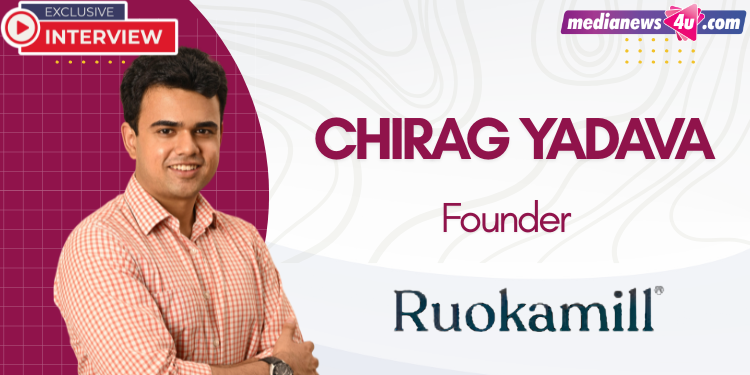
MediaNews4U.com caught up with Chirag Yadava Founder Ruokamill
Q. The brand emphasises ‘complete nutrition’ to support preventive healthcare and overall wellbeing. How does this approach help it standout in a competitive category?
If you look at India’s nutrition landscape today, the issue is not only related to access to food, but what is missing in that food. NFHS-5 data highlights that over 50% of women are anemic and a significant percentage of children continue to face stunting clear indicators of nutritional imbalance.
At Ruokamill, we have built the brand around the idea of “Complete nutrition” because the body doesn’t function on one nutrient alone. While protein has rightly gained attention in recent years, the larger gap lies in a balanced intake of vitamins, minerals, healthy fats and gut-supporting nutrients.
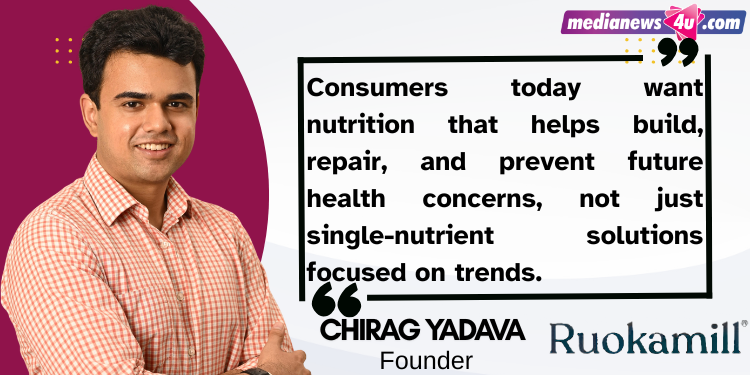
This is where we stand apart. We approach nutrition through complete analysis which we then connect to preventive healthcare solutions instead of studying one particular trend. Consumers today need to build; repair and they want to stop future problems from occurring.
 Q. What goals have been set for 2026 and what is the gameplan to get there?
Our focus for 2026 is to strengthen Ruokamill’s position as a trusted everyday nutrition brand. This is a category, which India is in huge need of, however, there is lack of consumer awareness. For 2026, the brand is focussed on accelerating its growth journey and strengthening its positioning as a science-led, consumer-first nutrition company.
The gameplan revolves around building strong brand awareness, expanding its presence across national media, and driving consumer education around holistic nutrition. A key lever will be integrated communications, so that consumer gets to know about the need for complete nutrition and how it is going to help India bridge the nutrition gap of 30%. We will ensure that the brand not only sells products but also leads the larger conversation on nutrition in India.
Q. Which are the key markets and TGs being targetted in 2026?
We are seeing the most traction in urban and emerging urban markets, where conversations around preventive health have become more mainstream. While we aim to reach out to PAN India, in the coming months and years, we have started with the urban and semi=urban markets which comparatively have more aware consumers today.
Our age and gender-specific formulations indicate a strategy focused on personalised nutrition needs rather than a one-size-fits-all approach. We aim to reach out to men and women as separate target consumers, families and individuals and the growing number of consumers who are increasingly aware of preventive healthcare and nutritional gaps.
Q. Is the aim of marketing going to revolve around building deeper awareness around holistic nutrition, which India needs?
Yes, very strongly. In India, nutrition is still often associated with either protein supplements or recovery-based consumption. What does not get enough attention is the idea of “hidden hunger,” where people may be eating enough but are still deficient in essential nutrients.
We want people to know about the importance of full and balanced nutrition, which is significant for leading a healthy life, preventing many lifestyle diseases and even critical illnesses, recovering from illnesses. The purpose of this project is to change the discussion from reactive nutrition practices to preventive nutrition which people should use for their daily lives.
Q. What marketing campaigns and innovations can one expect in the coming months?
You will see a strong focus on storytelling that connects nutrition with everyday life. Instead of making it technical, we want to highlight real, relatable situations why people feel low on energy despite regular meals or why immunity concerns persist. We are also working on communication that reflects different life stages, because nutritional needs evolve with age. The objective is not just brand recall, but shifting consumer mindset toward a more informed and science-backed understanding of everyday nutrition.
We will go ahead with an integrated communications approach, where we will use news and media to educate consumers about the nutrition gap in India and use social media to connect with different consumer segments. We are also looking at consumer led events, where we directly connect with them to understand their nutritional deficiencies and lifestyle challenges and help them improve and balance their health with Ruokamill.
Q. What will the media mix be between traditional and digital mediums?
As mentioned above, we will go with a media mix of social and news media, for educating consumers about the importance of balance nutrition and also connecting with them through multiple digital media channels.
 Q. Ruokamill has appointed Fifth Archer as the strategic PR partner. What is the mandate given?
With Fifth Archer, the mandate goes beyond brand visibility. The primary goal is to establish a credible story which demonstrates India’s expanding nutritional deficiencies and explains the requirement for complete science-based solutions. This includes driving strategic storytelling, while also ensuring that the conversation around holistic nutrition and preventive health is amplified consistently across platforms.
We aim to create a consumer awareness, where they would understand how Ruokamill can help them lead a better and healthier life, not just for a short period of time, but till their second innings and more.
Q. To strengthen its brand narrative how important will leveraging the creator economy be by working with influencers in the health, lifestyle category?
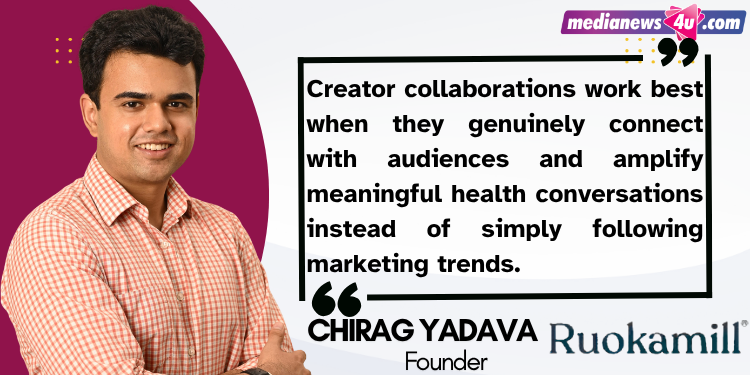
More that creator economy, I personally believe in connecting with audiences and making them aware of real life situations.
If influencers and creators can truly connect and amplify the health cause, it can be a great way of leveraging them with consumers. Creator economy can be extremely beneficial if they can build real connect, rather than just following it as a trend.
Q. Will Ruokamill also use celebrities some of whom focus on fitness?
We are open to it, but very selectively. We might think of it, if at some point if we truly see value in it.
Q. What shape will experiential marketing take by having a presence in shopping malls, gyms etc?
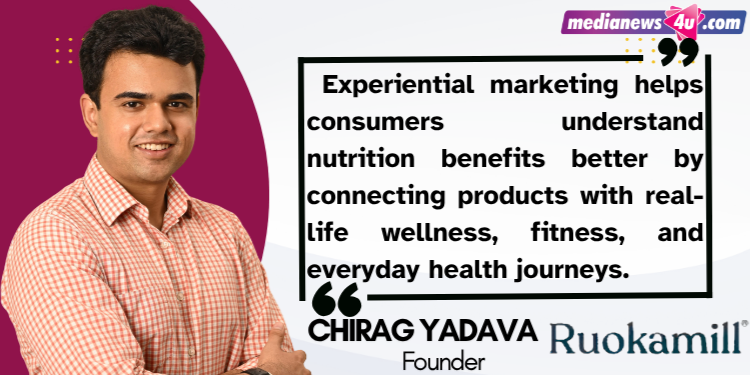
Experiential marketing will be an important part of our strategy because nutrition requires people to understand its benefits through actual experience before they can adopt it.
Our team is testing different formats that will allow consumers to experience products in their actual usage environments which include gyms wellness centers and retail stores. The organization aims to develop important user connections through its work because this will help people recognize how its services fit into their daily activities.
Q. Are Gen Z and Gen Alpha’s attitudes towards health and nutrition very different from their parents?
Younger consumers demonstrate active health monitoring, compared to millennials. They are very watchful of what they eat. A lot of Gen Z people are consciously choosing not to drink and smoke, to lead a better lifestyle in future.
They are growing up in an environment where preventive healthcare, fitness, and mental wellbeing are part of everyday conversations. As a result, they are more conscious about what they consume and are actively seeking clean, balanced, and functional nutrition rather than just calorie intake or single nutrients like protein.
They are also digitally native, which means their choices are heavily influenced by online content, peer communities. This makes them more open to experimenting with new formats and brands, but also more demanding in terms of transparency, scientific backing, and ingredient clarity.
 Q. What role is AI playing in helping the company develop nutrition blends that combine multiple nutritional elements, including proteins, vitamins, minerals, probiotics, and other functional ingredients, to support everyday nutritional intake?
At Ruokamill, AI can support early-stage research by helping analyse scientific literature, compare ingredient profiles, identify emerging nutrition trends, and streamline internal decision-making. It allows our team to assess multiple formulation possibilities faster and more intelligently.
That said, AI is a support tool, not the final decision-maker. Every product direction is ultimately guided by human expertise, scientific advisors, practical formulation experience, regulatory considerations, and our commitment to responsible nutrition. We see AI as something that enhances efficiency and insight, while final product development remains rooted in science, experience, and real-world applicability.