With a runtime of 8 minutes and 38 seconds, Parcel broke conventions in an era dominated by short, skippable ads. This dark, suspenseful narrative, centred around a woman’s murder by an ex-lover, captivated audiences and became the longest ad ever in Indian advertising. Upon its release, the film was an instant hit, trending at number one on Twitter, and has since become a touchstone for creative advertising.
Titus shares insights into the creative process, the challenges faced during production, and the film’s lasting impact in this exclusive interaction.
The film’s structure was quite unique with its non-linear storytelling. What inspired you to choose this narrative style, and how did you approach crafting it?
The narrative was indeed inspired by a riddle that fascinated me: a young woman receives a parcel in the morning, and by the evening, she has passed away. This intriguing question became the foundation of the story, which is framed as a conversation between two characters—one presenting the riddle and the other trying to solve it. This setup dictated the overall narrative approach.
In crafting the structure, I drew from my background in literature, particularly the concept of in medias res—starting a story in the middle of the action rather than following a chronological order. This approach is prevalent in some of the most compelling literary and cinematic works, allowing the audience to piece together the narrative puzzle as they go along. It’s a method that fosters curiosity and keeps the audience engaged by presenting the “what” before the “why.”
The story is essentially a metaphorical interaction between the reader and the author. The character attempting to solve the riddle represents the audience, while the one posing the question symbolises the storyteller. The author, much like in this scenario, doesn’t reveal all the answers until the end, encouraging the reader to explore and engage deeply with the narrative rather than skipping ahead to the resolution.
This interplay mirrors the joy of literature and storytelling—inviting exploration, challenging assumptions, and rewarding patience. I wanted the structure to reflect this dynamic relationship, making the audience an active participant in unravelling the story. For me, this back-and-forth structure was both an homage to the thrill of storytelling and an attempt to make the narrative journey as engaging as its destination.
The film featured intense themes, including suicides and a murder. Were you concerned about how audiences would perceive these sequences?
Not really, the story indeed revolved around a murder—a young woman receives a parcel in the morning, and by the evening, she has passed away. This premise inherently called for a certain level of intensity, as it involved exploring multiple scenarios of her death. However, our intent was never to sensationalise or take a sadistic approach. Rather, the sequences were crafted to reflect the curiosity of Ved, the protagonist, who is attempting to piece together the circumstances of her death.
As part of the narrative, Ved imagines various possibilities. For instance, what if the parcel contained poisoned sweets that caused her to choke, or what if it held a gun, leading her to take her own life? These scenarios were integral to the plot, as they helped rule out the possibility of suicide and ultimately led to the realisation that she was murdered. This progression was essential to building the tension and mystery in the story.
While portraying these intense moments, we were mindful of their execution. For example, in one scene involving a knife, we initially filmed a detailed sequence using prosthetics to depict the knife penetrating the forehead. However, during the editing process, I decided to tone it down, opting instead to show the reflection of her face and the knife in the blood. This approach was deliberate, as I wanted to convey the gravity of the scene without being overly explicit.
I drew inspiration from films like Sholay, which handled violence with subtlety and metaphor. For instance, in Sholay, despite numerous deaths, the visual depiction of blood was minimal, leaving much to the audience’s imagination. Similarly, I aimed to strike a balance by delivering impactful storytelling while being restrained in graphic detail.
That said, I focused on the narrative’s authenticity rather than second-guessing audience sensitivities. The thematic intensity was central to the story, and my objective was to present it in a way that aligned with the film’s vision, while also respecting the audience’s intelligence and emotional engagement.
Were there moments during the making of this film when you felt apprehensive about its bold concept or its potential reception?
To be honest, I never really dwelled on how the film would be received or whether the bold concept would elicit apprehension. From the outset, I was deeply committed to the story and driven by the desire to bring it to life. Everyone involved in the project, from the cast to the crew, was equally consumed by the narrative. Our collective focus was on executing the vision as authentically as possible, without overthinking external perceptions or potential sensitivities.
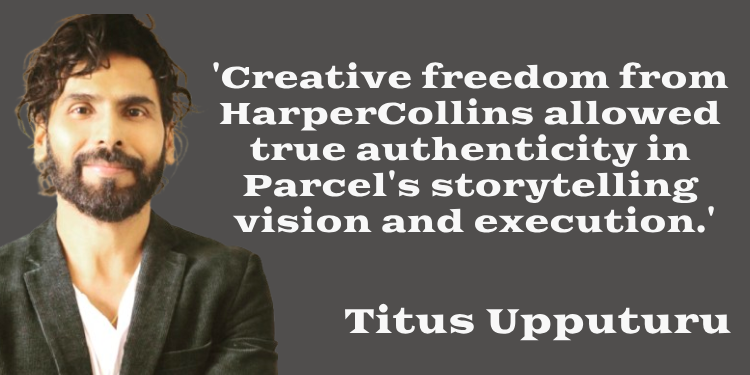
I must also credit Ananth Padmanabhan at HarperCollins, who supported the project wholeheartedly. He provided us with the creative freedom to see the story through without calling for edits or imposing restrictions. That trust allowed us to focus entirely on delivering the narrative as it was envisioned.
In that sense, I didn’t let concerns about reception influence the filmmaking process. My focus was on crafting a compelling and immersive experience for the audience. It was a story I was passionate about directing, and I approached it with that conviction, ensuring every element stayed true to the narrative’s essence.
The cast played a crucial role in bringing the story to life. How did you go about shortlisting and finalising the actors for the film?
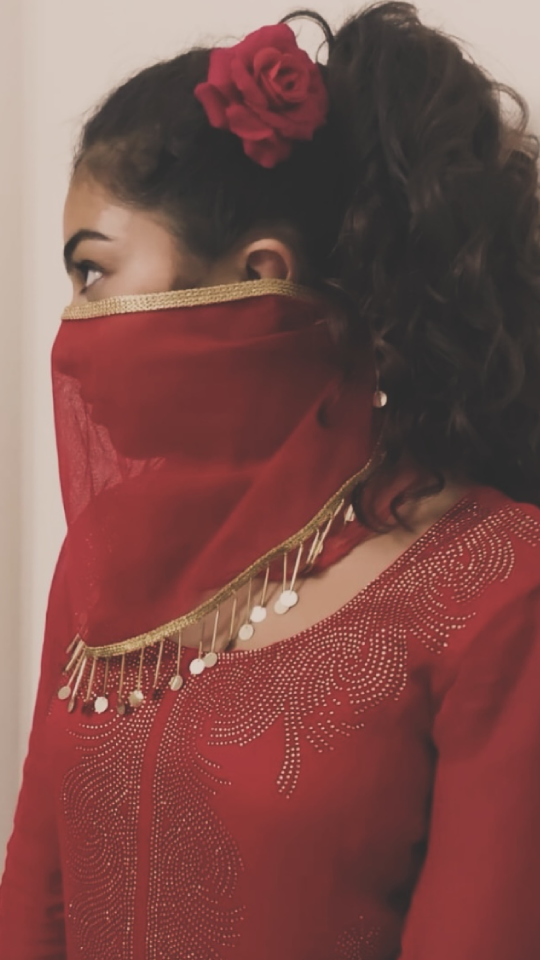
Casting was a critical and intricate process for this film, as the story demanded a versatile ensemble. The role of the female lead was particularly challenging because she had to portray a wide spectrum of characters—shifting from a police officer to a secretary, a nurse, and even transitioning between being a young woman and an old lover. These nuances were essential to the story, so I knew we needed someone extraordinarily talented to bring that complexity to life.
Interestingly, I initially considered casting Kani Kasthuri, who had recently starred in a film that won an Oscar. I reached out to her, and we had discussions about the role. However, due to scheduling conflicts, it didn’t work out despite waiting for some time. Eventually, I came across Riya Arora, who proved to be a phenomenal choice. She brought immense talent to the role, seamlessly portraying multiple facets of the character. Her ability to convincingly “die” and reinvent herself in each scenario added depth to the narrative.
For the roles of Ved and Ali, we discovered fresh talent with a strong theatre background. The actor, Vyom, who played Ved has since gone on to feature in lead roles in films and web series, which speaks to his potential. Ali’s character required a subtle performance—an older colleague who doesn’t reveal his true intentions until the climax. The actor (Hurmat) did an exceptional job, underplaying the role while maintaining an air of mystery. His ability to keep the audience guessing until the reveal was pivotal to the story.
Even smaller roles, like the old lover Nawab or the nurse, were thoughtfully cast. Each actor brought their unique presence and commitment, enriching the film. The collaborative effort and dedication of the cast were instrumental in bringing the story to life, and I am immensely grateful for their contributions.
How long did it take to shoot the film, and where were the primary locations? Did the logistics of shooting such an intricate story pose any challenges?
The film was shot over several days, approximately four in total. Initially, we had considered shooting in Goa, and the character was originally envisioned as a Catholic girl. However, when that didn’t work out, we reimagined the character as a Muslim circus artist living in Lucknow. This shift also allowed us to embrace the rich cultural backdrop of Lucknow, which complemented the narrative beautifully.
We chose to shoot entirely on real locations rather than sets, which added authenticity to the visuals. For instance, the auditorium where the character is killed is an actual performance venue, and we utilised real streets and houses, including a Haveli for key scenes. The car journey from Delhi to Lucknow was also filmed on the road, maintaining a sense of realism.
One particularly challenging but rewarding scene involved the character purchasing meat for the Nawab, who was her guest that evening. The setting and atmosphere were edgy, but since the tone of the film leaned in that direction, we embraced it and executed it confidently.
Overall, while the logistics of coordinating real locations presented challenges, they also added depth to the storytelling. The experience was memorable, and the team worked tirelessly to bring these elements together, ensuring the visuals were as compelling and dynamic as the narrative itself.
Can you share any interesting or memorable anecdotes from the shoot that stand out to you even today?
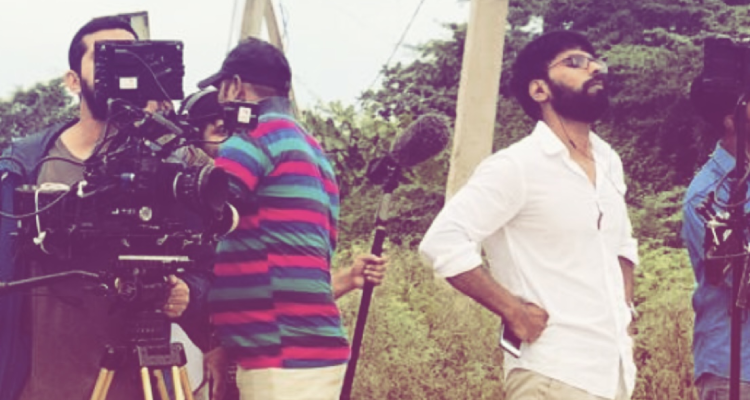
One particularly memorable incident from the shoot occurred while we were filming the car journey between the two colleagues. We had planned to capture some drone shots along the Faridabad road leading towards Lucknow to add a dynamic perspective. However, we were unaware that drones were prohibited in that area, and permissions had not been secured in advance.
We began shooting early in the morning, and while the drone was in action, the police arrived on site. They confiscated the drone, detained our cameraman Lakshman, and temporarily halted the shoot. This created a significant disruption, as the camera equipment was also seized. Our production team immediately engaged with the authorities to resolve the matter. After a few tense hours, the cameraman was released, and we managed to recover both the equipment and the limited footage we had captured. Thankfully, the content in the camera was safe, which was a huge relief for everyone involved.
While it was a stressful experience at the time, it’s now something we look back on with a sense of humour and relief. Ultimately, it reinforced the importance of thorough preparation and coordination when working with external equipment in sensitive areas.
How was the film received by the media and the audience once it was released? Were there any reactions that particularly stood out to you? what was HarperCollins’ reaction when they first saw the completed film? Did their response align with your expectations?
The reception to the film was overwhelmingly positive, both from the media and audiences. When we first shared the completed film with Anant, the client at HarperCollins, and his team, it was a Sunday afternoon. I distinctly remember the excitement in the room as we screened it in our office. Despite the film’s relatively long duration—over eight and a half minutes—they watched it multiple times, which was a testament to its engagement factor. Their reaction exceeded my expectations, and their appreciation of the narrative, visuals, and overall execution was incredibly encouraging.
Once the film was released, the response from the public was equally remarkable. I recall the immense buzz it created upon its release five years ago, on the 25th. Organically, it became the number one trending topic on Twitter, without any paid promotions—something we hadn’t anticipated. A colleague alerted me to the trending status, and it was such a humbling and exciting moment for all of us.
Beyond India, the film resonated globally, with messages and emails pouring in from different parts of the world—UK, US, Japan, Russia, and more. The reactions were unanimous in their praise, which was deeply gratifying. What particularly stood out was the appreciation from notable personalities, including celebrated author William Dalrymple, who offered glowing feedback. Given that the project was created for HarperCollins, it was also heartening to see such a strong response from authors, many of whom commented that the film’s story deserved to be adapted into a book—a delightful reversal of the usual trend where books inspire films. That suggestion remains one of the most meaningful compliments we received.
The film has been called the Sholay of advertising and has received high praise globally. How do you feel about this legacy? And is there any chance we’ll see a sequel in the future?
I am truly humbled and flattered by the comparison to Sholay, an iconic milestone in Indian cinema. To have our film referred to as the Sholay of Indian advertising is an honour I never imagined achieving in my career. It’s deeply gratifying and something I attribute to the grace of God and the collective effort of the team.
If I dare to draw a comparison, I believe the resonance lies in the film’s emotional depth—it carries drama, tragedy, and even moments of comic relief, such as the lighthearted banter between the two colleagues. These elements, woven together, seem to have struck a chord with the audience. That said, this recognition is overwhelming, and I’m incredibly grateful for it.
As for a sequel, it’s certainly an exciting idea. There’s a strong foundation to build upon, especially with the hint of a book subtly introduced at the start of the film. I would love to explore this further, and it’s a conversation I plan to have with Ananth in the near future. The idea of continuing this narrative is intriguing and worth exploring.
How is the Titus company progressing as you have completed two years?
Storytelling has always been at the heart of why I started this company. Ever since its inception in August, the journey has been rooted in a passion for storytelling. It’s been an incredibly fulfilling experience, as directing—something I began enjoying during my tenure as a creative director—has now become my complete focus.
Filmmaking, I’ve realised, is an intricate art form where every detail matters. From costumes, colours, lighting, and shadows to decisions on dialogue and pacing—each element plays a crucial role in shaping the narrative. Editing, for instance, is pivotal in maintaining the rhythm of a story and ensuring the audience remains engaged.
Over the years, I’ve worked on diverse projects, from longer formats like this film to concise, impactful stories told in 30 or even 10 seconds—crafted to communicate and sell an idea effectively. Each format presents its own set of challenges and rewards, and this journey has truly been a great ride.
I’m deeply grateful for how far the company has come, though I had no clear blueprint when I first took this step of faith. By God’s grace, things are progressing well, and I’m excited about the future, confident that greater milestones lie ahead.
What’s driving creative many talents to leave agency networks and start their own ventures? Is it for more creative freedom, changes in media, or the evolving advertising industry?
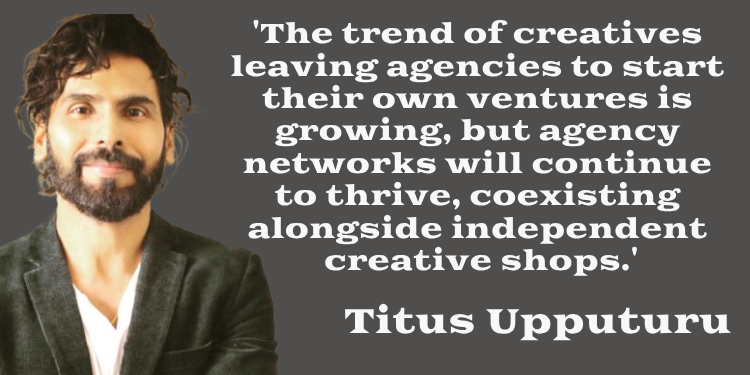
While there has been a noticeable rise in creative talents starting their own ventures, I believe global networks will continue to thrive. Having worked with major networks like Dentsu, Ogilvy, and TBWA, I can say that being part of such networks offers immense value, from collaborating with global colleagues to gaining feedback from diverse markets.
The trend of starting independent creative shops isn’t entirely new; it has been around for years, with industry veterans like Mohammed Khan, Aggie and Paddy, Neil French, and others setting the precedent. Post-pandemic, the trend has grown, but there’s still room for both networks and independent shops to coexist.
For me personally, the move was driven by a desire to pursue filmmaking rather than dissatisfaction with network structures. I believe the agency network model will continue to prosper alongside new, independent ventures.
So tell us about your filmmaking initiative. Where are you right now?
I am thoroughly enjoying my filmmaking journey, and each project I take on presents unique challenges that keep me motivated. While I’ve often been recognised for my ability to create emotional depth in my work, I am mindful of being pigeonholed into a specific style. However, I enjoy exploring a wide range of genres, from emotionally driven narratives to those requiring comedic timing.
Currently, I am focused on writing extensively and exploring different storytelling approaches. I am excited about where this creative exploration will lead and am open to new opportunities in the filmmaking space.
You can view the film here: