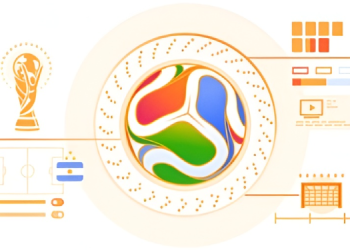
Mumbai: As the FIFA World Cup 2026 kicks off from June 11 to July 19, excitement around the global football spectacle is gathering momentum worldwide. For the first time in FIFA history, the tournament is being co-hosted by Canada, Mexico and the United States, featuring an expanded format with 48 teams competing across 104 matches.
Despite India not being a participating nation, enthusiasm among Indian audiences remains strong. According to the latest Ipsos Predictions Survey 2026, nearly six in ten Indians (59%) intend to watch the tournament, highlighting football’s growing influence and the enduring appeal of the FIFA World Cup across the country.
Globally, some of the highest levels of engagement are being recorded across both competing nations and football-centric markets. Argentina leads with 79% of respondents planning to watch, followed by South Korea (75%), Colombia (74%), South Africa (74%), Peru (72%), Romania (72%), Brazil (71%), Mexico (68%), Ireland (68%), Türkiye (68%), Thailand (67%), Indonesia (64%), Italy (62%) and Malaysia (60%).
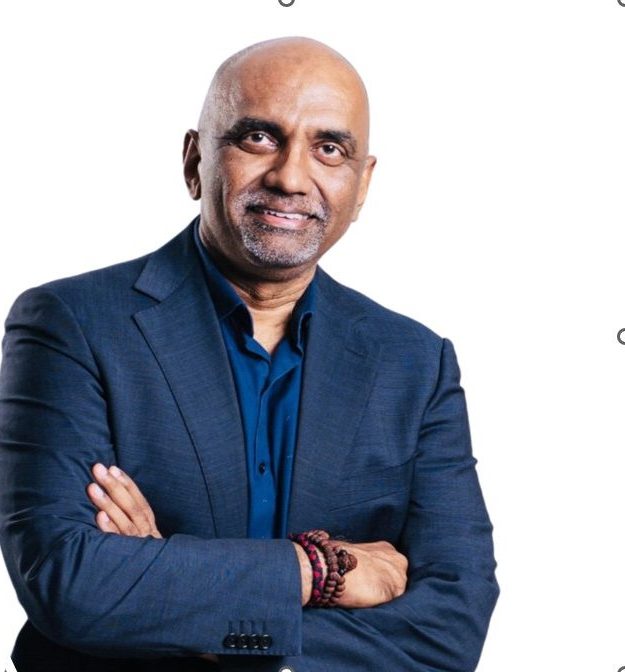
Commenting on India’s evolving relationship with football, Suresh Ramalingam, CEO, Ipsos, said, “Cricket continues to be the national favourite, but football, and particularly FIFA, holds a unique allure. The World Cup comes just once every four years, creating a sense of occasion. Add to that the opportunity to watch legendary players like Lionel Messi and Cristiano Ronaldo in action, and it becomes a compelling proposition for fans.”
He further noted that Indian audiences continue to gravitate towards teams with established footballing traditions including Brazil, Argentina, Portugal, Germany and France, while regional football cultures in states such as West Bengal, Kerala, Goa, Manipur and Mizoram continue to sustain long-term engagement with the sport.
However, viewing patterns in India may be influenced by the significant time difference between India and the host countries, ranging between 9.5 and 12.5 hours.
Explaining how this may impact consumption habits, Ramalingam added, “There are broadly two segments of fans; committed supporters and casual viewers. While die-hard fans will not hesitate to stay up late or wake up early to catch live action, others will lean on highlights and recaps. The biggest hook remains the ability to watch the world’s greatest sporting spectacle live.”
To ease accessibility, 35 of the tournament’s 104 matches have been scheduled across weekends, creating more opportunities for Indian audiences to tune in live. This stands in contrast to the FIFA World Cup 2022 in Qatar, where the narrower time difference made live viewing considerably easier.
The tournament also introduces three new mascots representing the host nations—Maple the Moose from Canada, Zayu the Jaguar from Mexico and Clutch the Bald Eagle from the United States—each reflecting themes of teamwork, agility and leadership.
A key insight from the survey points to strong confidence in defending champions Argentina. While 87% of Argentinians believe their team will retain the title, India emerged as the strongest supporter globally outside Argentina, with 68% of Indian respondents backing Argentina to win again.
Support for Argentina also remains high across Indonesia (59%), Peru (55%), Malaysia (53%), Thailand (52%), Türkiye (52%) and Romania, while traditional football rivals including Germany (20%), Brazil (25%), Japan (25%) and the Netherlands (27%) remain more sceptical.
The survey also revealed concerns around weather-related disruptions. In India, 67% of respondents believe extreme weather conditions could result in matches being delayed or rescheduled.
With all three host nations exposed to varying weather conditions including thunderstorms, heavy rainfall and extreme summer heat—and only a limited number of stadiums equipped with retractable roofs—weather remains a factor that could influence the overall tournament experience.
The Ipsos Predictions Survey 2026 covered 23,642 respondents across multiple global markets, including approximately 2,200 respondents in India, through a combination of face-to-face and online interviews conducted between 24 October and 7 November 2025.